Most gear decisions start in the wrong place: with a brand, a price, or a product page written to be read on a phone in a queue. That is not a moral failing on anyone’s part - it is how gear is sold. But it produces the same two mistakes over and over: buying one expensive item that is a compromise across everything, and buying a second item to fix the problem the first one created.
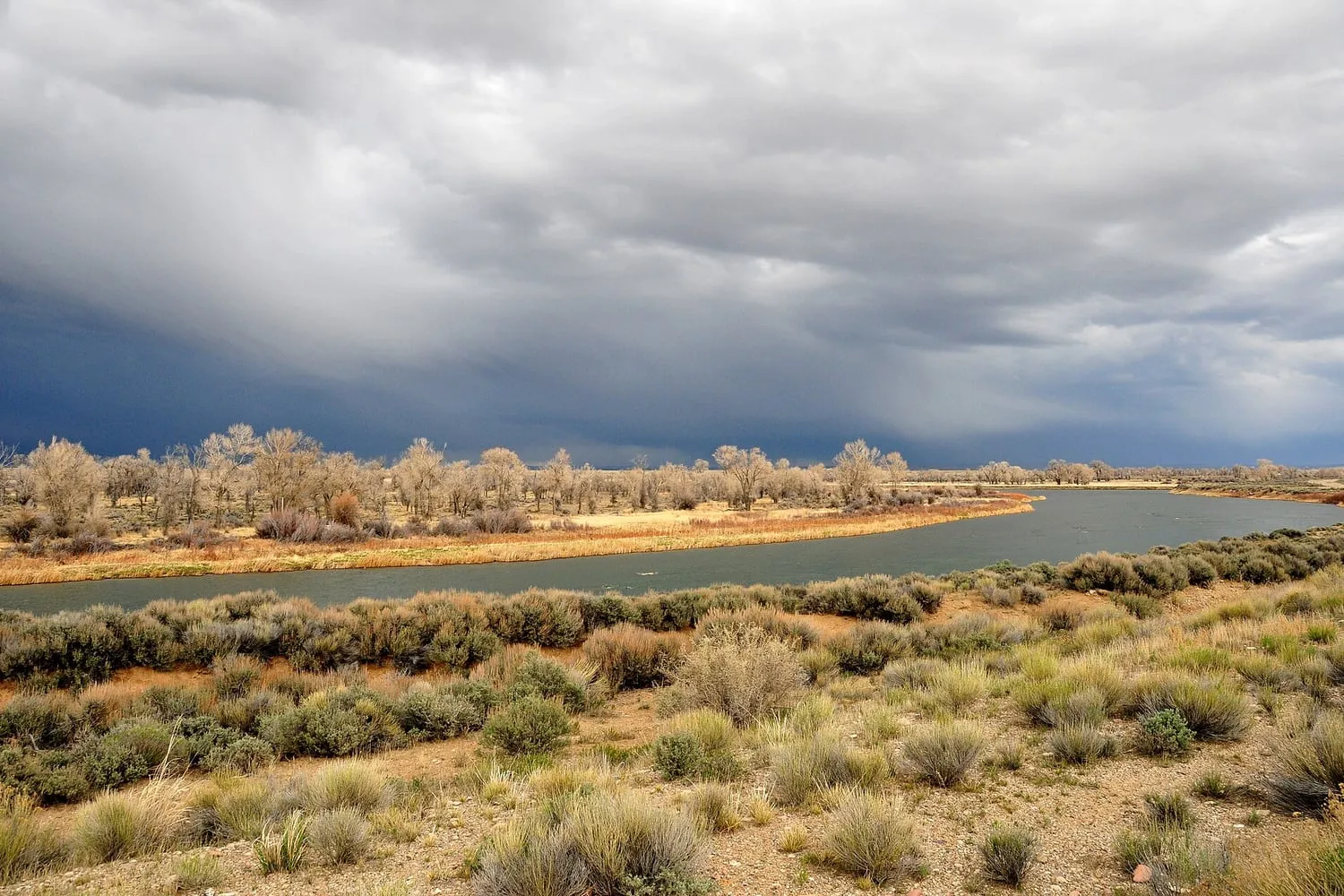
The alternative is to describe the day first. Five variables do most of the work: wetness, wind, temperature range, duration and terrain. Add your own load, and you have a specification that any product can be measured against.
Wetness, from three directions
Water reaches you from above, from below and from the inside, and each one has a different answer.
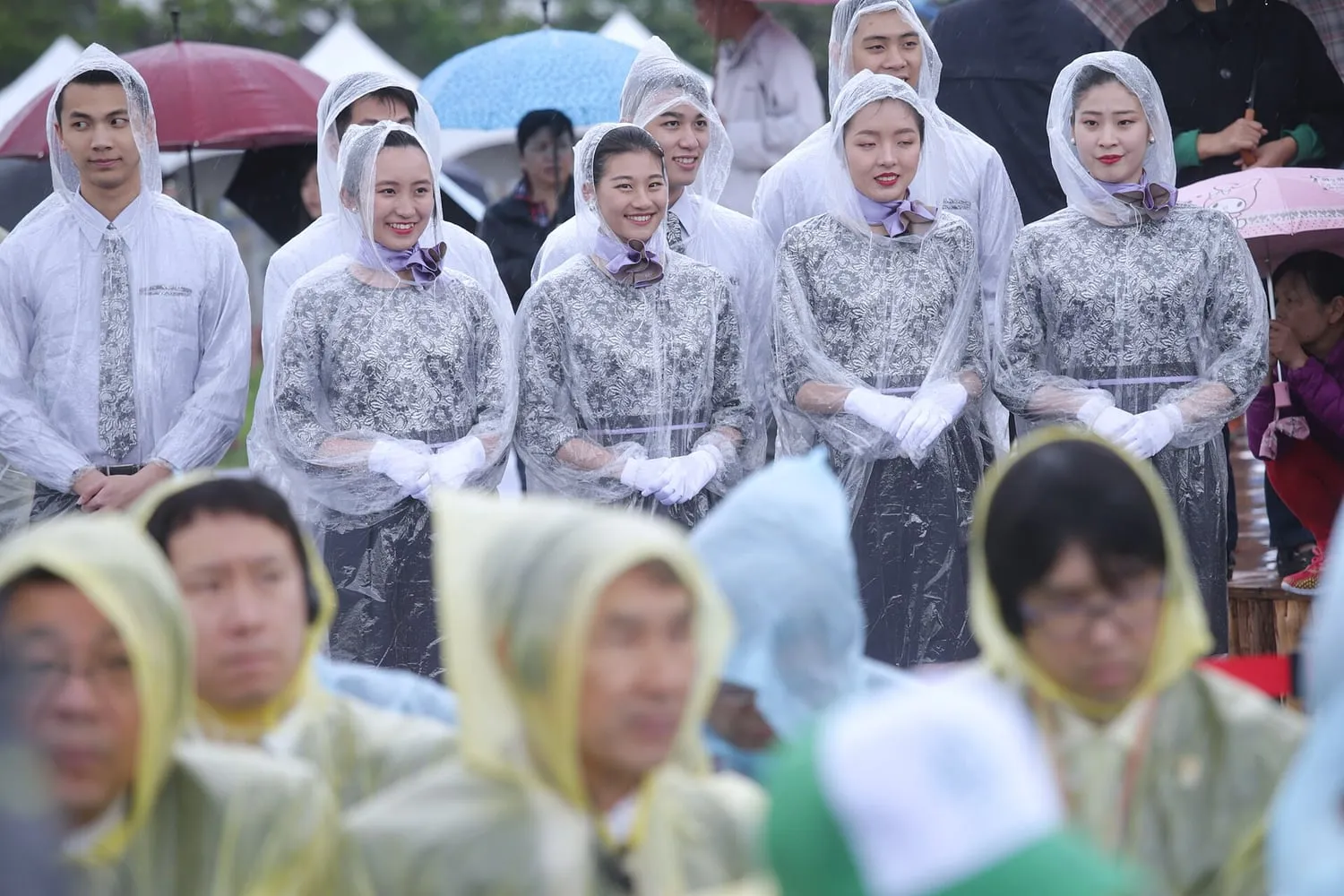
From above means rain, and the question is whether it will be sustained or intermittent. Sustained rain makes hood design, jacket length, taped seams and a pack liner matter. Intermittent showers make a light, packable shell and quick access matter more.
From below means bogs, wet grass, river crossings and puddles. This is the variable people underestimate. If water will come in over the top of your footwear, a waterproof boot simply becomes a bucket; a mesh shoe that drains and dries is more comfortable. Wet grass on a summer morning justifies different footwear from a dry ridge in the same temperature.
From the inside is your own sweat, and it decides how much ventilation you need. A hard ascent in cold rain is the worst case, because you are producing maximum moisture with minimum opportunity to dry.
Wind
Wind is the most underrated variable in clothing. It strips away the thin layer of warmed air around your body, so a modest mid layer under a windproof feels far warmer than the same mid layer in still air. This is why a light windproof layer is the most useful item of clothing per gram, and why a shell that is waterproof but worn only for rain is doing half its job.
Wind also changes shelter and pack decisions. A tent’s shape, its number of guy points and how it handles being pitched end-on to the wind matter more than its floor area. The same applies to a sudden change in exposed terrain: an ascent onto a ridge can transform the conditions you are dressed for within minutes.
Temperature range, not temperature
The useful figure is not the minimum for the day; it is the range. A day that starts at one temperature and climbs while you walk needs layers you can remove, not one warm garment. A day that stays cold all day and ends with a long, slow descent needs more insulation than the temperature alone suggests, because you will be producing much less heat.
Wind and wetness both reduce effective warmth. Wet clothing conducts heat away far faster than dry clothing, which is why keeping one dry insulating layer in a bag is worth the weight even on a short trip.
Duration
Duration changes requirements on two axes: what you must carry, and what happens if something fails.
A two-hour walk in bad weather is uncomfortable. A ten-hour walk in bad weather is a problem, because you cannot get to shelter, you cannot change into dry clothes and you cannot easily abandon the plan. Duration is what makes a spare layer, a head torch, a repair kit and enough food into essentials rather than extras.
As duration increases, the gear that protects you if things go wrong becomes more important than the gear that makes things pleasant while they go right.
Terrain
Terrain decides soles, stiffness and protection. Loose rock and scree wear out soft rubber and cut thin uppers. Steep grass demands grip and, in descent, a shoe that still holds your foot when your toes are jammed forward. Mud demands deep tread and, often, a higher cuff. Rock steps and scrambling demand rubber that grips wet stone and a sole stiff enough to stand on an edge.
Terrain also decides volume: extra insulation, a helmet, an axe, a rope or a camera all change what pack you need, and it decides how you carry it. A scrambling route wants a compact pack with a stable load; a long valley approach tolerates a taller one.
Why brand is the wrong filter
Brand is not useless information, but it answers a different question. What a brand tells you is:
- roughly what a maker prioritises across its range, such as light weight, durability or price;
- whether their fit suits your body, if you have worn several of their products before;
- what their warranty and repair practice looks like, which is a real and often overlooked reason to stick with a maker.
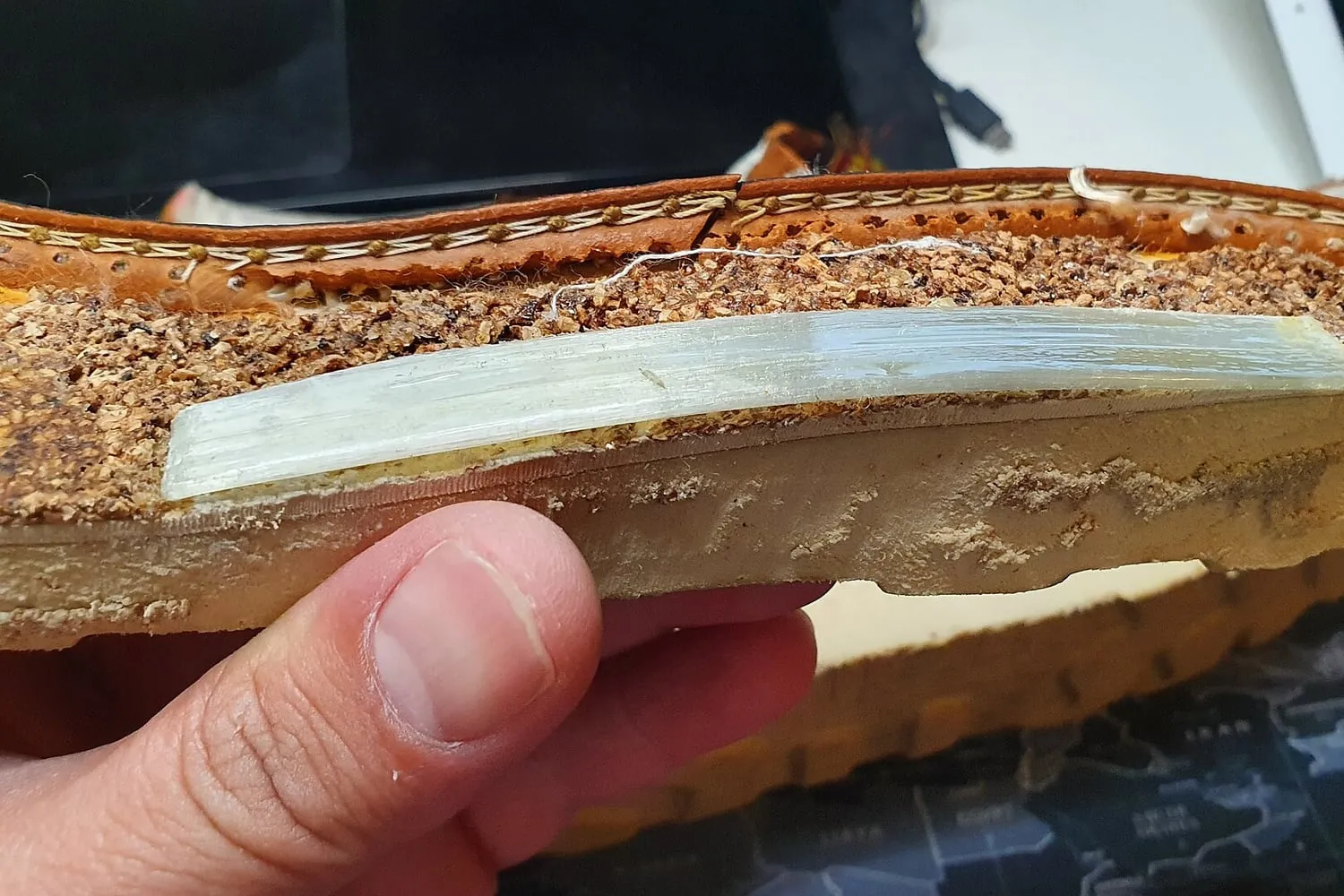
What it does not tell you is whether a specific item suits your conditions. A brand’s cheapest shell and its most expensive shell share a logo and very little else. Fit, sole compound, membrane construction, fabric weight and pattern all change between lines, and between generations of the same model. When a model is updated, the old reviews are about a different product.
The conditions in front of you are stable. Model numbers are not.
Two days, worked through
A warm, wet summer day in low hills. Wetness from above and below; light wind; narrow temperature range; moderate duration; muddy paths. Footwear: mesh shoes that drain. Clothing: a light shell, a thin base layer and a spare dry mid layer rather than insulation worn while moving. Pack: small, with a liner, since everything inside will get damp.
A cold, windy winter day above the treeline. Wetness from snow and spindrift; strong wind; a wide range between effort and standing still; short daylight; rough ground. Footwear: stiffer boots with a waterproof upper and room for thick socks. Clothing: a full layering system with a genuinely warm insulation layer for stops, plus a windproof and a hood. Pack: bigger, framed, with dry bags inside and room for the extra layer.
Those two lists share no items. That is the point: one wardrobe, two answers, and the answer came from the forecast rather than from a logo.
Where the money should go
Spend where the consequence of failure is highest. Footwear and shelter come first - a blown-out tent or wrecked feet end trips. Insulation comes second. Packs come third, because a slightly heavy pack is a discomfort rather than a failure. Gadgets, by contrast, are where money goes to die; they are rarely the thing that decides whether a day is good.
A final note on simplicity: two modest items that cover two clearly different sets of conditions will serve you better than one expensive item bought to cover both. Buying for the weather you actually get, rather than the weather you would like, is the whole method.